
Why Your Baby Hates Tummy Time (and What To Do Instead That Still Supports Development)
By Ali Day, Paediatric Physiotherapist and mum of two | Author of The Baby Playbook
Struggling with tummy time? Learn why babies hate it and gentle alternatives that still support rolling, sitting and development.
If your baby cries the moment you place them on their tummy, you are not alone.
“Baby hates tummy time” is one of the most common concerns new parents search for, and for good reason. While tummy time is important for development, it doesn’t always feel good for babies in the early weeks.
There are a few reasons for this:
It’s hard work! your baby is using muscles they’re still developing
They feel restricted compared to being held
They may have reflux or discomfort
They simply prefer being close to you
The key thing to understand is this:
Tummy time is a tool, not the goal.
The goal is helping your baby build strength for rolling, sitting and crawling, and there are multiple ways to do that.
When should tummy time start?
Tummy time can begin from birth, but that doesn’t mean placing your newborn flat on the floor straight away.
In the early weeks, tummy time can look like:
Lying on your chest
Being held upright against your shoulder
Gentle positions across your lap
These all count and are often much more tolerated.
How much tummy time does a baby actually need?
You might have heard recommendations like “30 minutes a day” but this often causes unnecessary stress.
Instead of focusing on one long session, think:
Little and often throughout the day.
Even a few minutes at a time adds up and is far more manageable for your baby.
Does holding your baby count as tummy time?
Yes! And this is one of the biggest misconceptions.
If your baby is:
Lifting their head
Activating their neck and upper body muscles
Working against gravity
Then they are building the same foundational strength needed for milestones.
This is why positions like chest-to-chest cuddles are incredibly valuable, especially in the newborn stage.
What to do if your baby cries during tummy time
If your baby is consistently upset, pushing through isn’t the answer.
Instead, try:
Shortening the time (even 10–20 seconds is okay)
Getting down at their level and engaging face-to-face
Using your body instead of the floor
Trying different times of day (not when tired or hungry)
Most importantly, follow your baby’s cues.
A calm, supported baby will get far more out of the experience than one who is distressed.
5 gentle alternatives to tummy time on the floor (that still support development)
This is where you can take the pressure off and still support your baby’s progress. If you want more options or clear videos of these, check out @littleonesphysio on Instagram.
1. Chest-to-chest tummy time
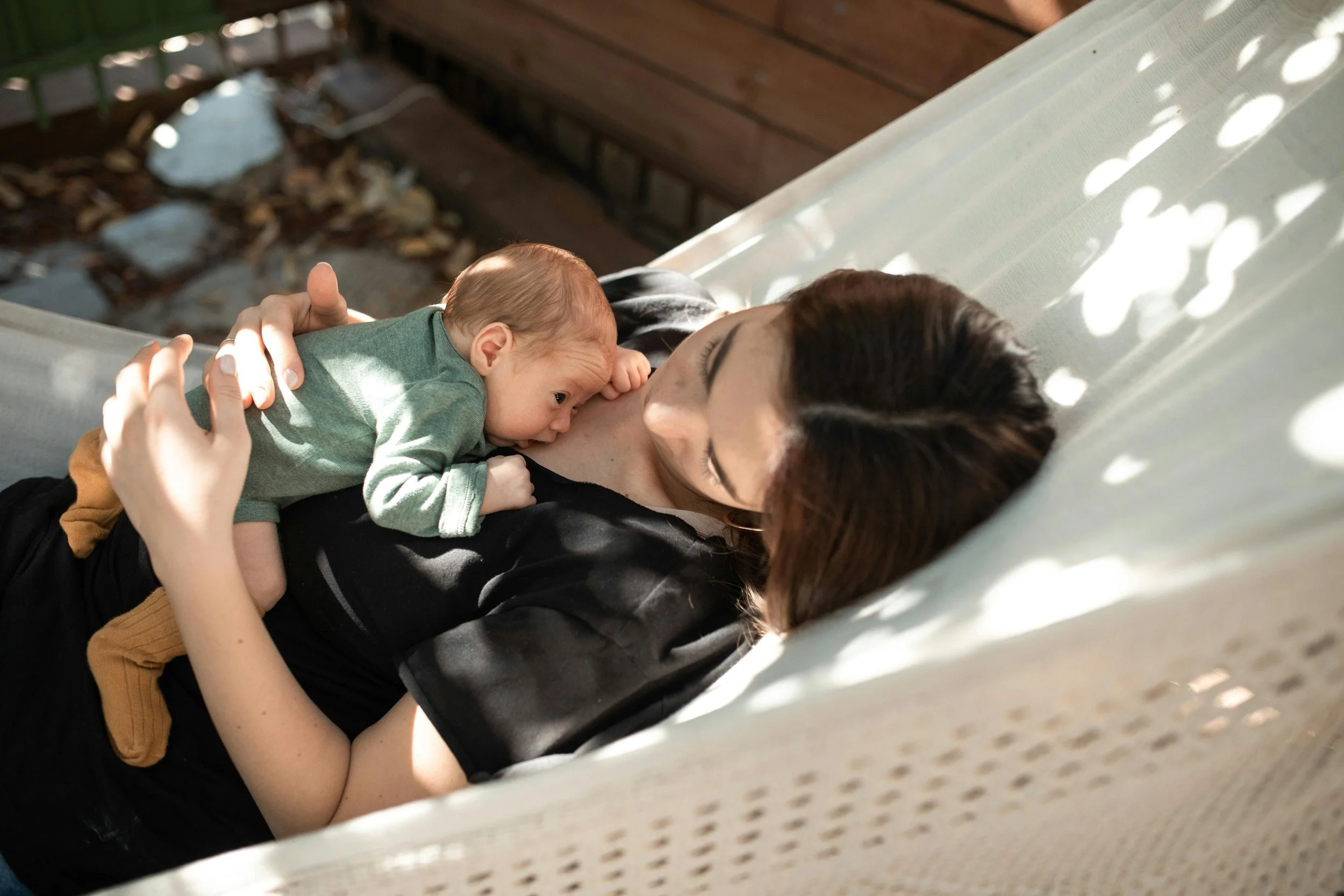
Lie back slightly and place your baby on your chest. When ready, t
hey’ll naturally lift their head to look at you, building strength in a way that feels safe and connected.
2. Over your shoulder
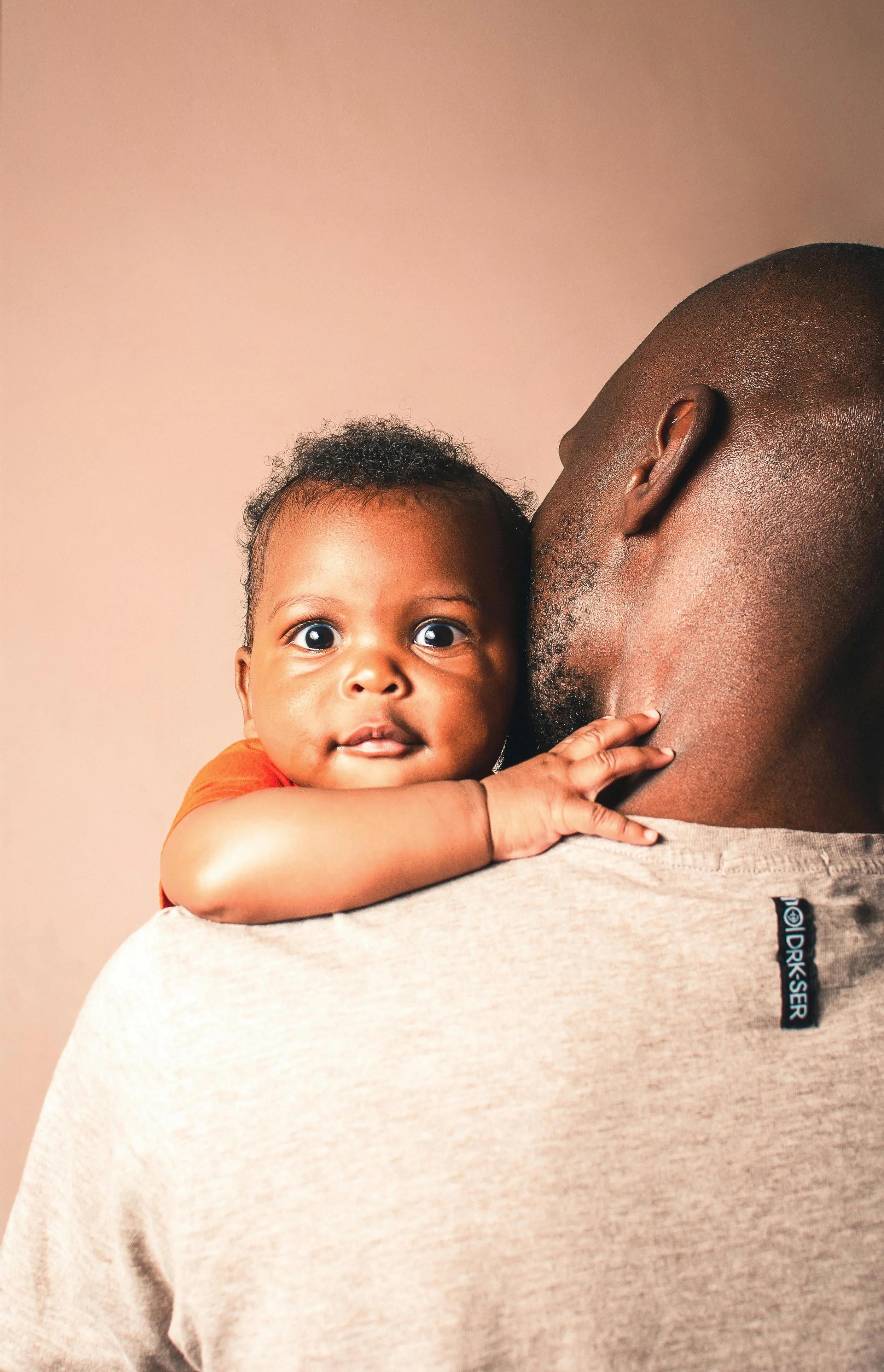
Holding your baby upright against your shoulder encourages head control and postural strength.
Bonus: it doubles as a cuddle!
3. Across your lap
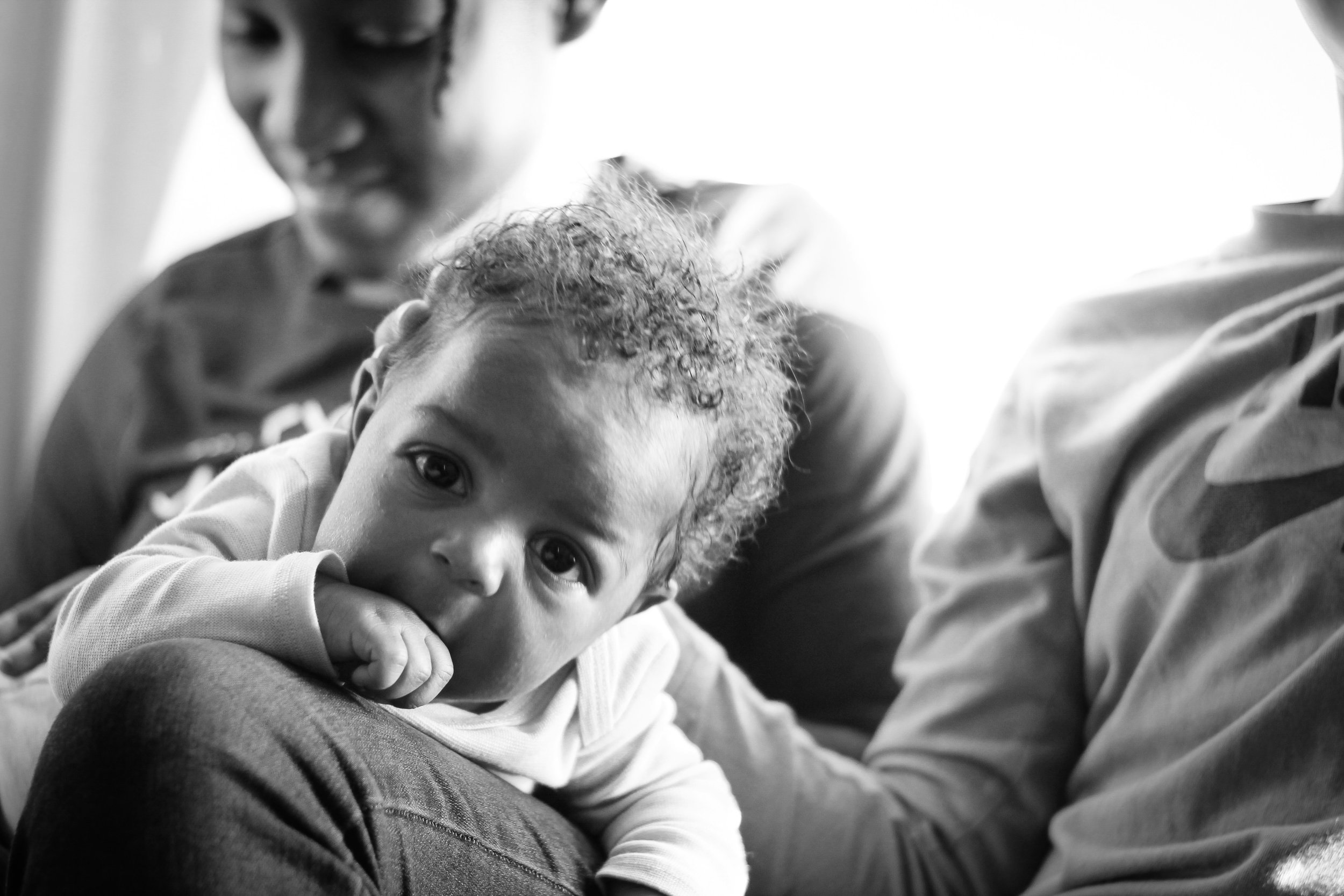
Place your baby across your thighs on their tummy and gently support them.
This can feel less overwhelming than the floor.
4. Supported side-lying play

Side-lying reduces the effort needed while still encouraging movement and body awareness.
This is a powerful (and often overlooked) position for development.
You can roll a towel behind their back to keep them on their side or gently support with a hand. Place toys in front for entertainment.
5. Carrying positions
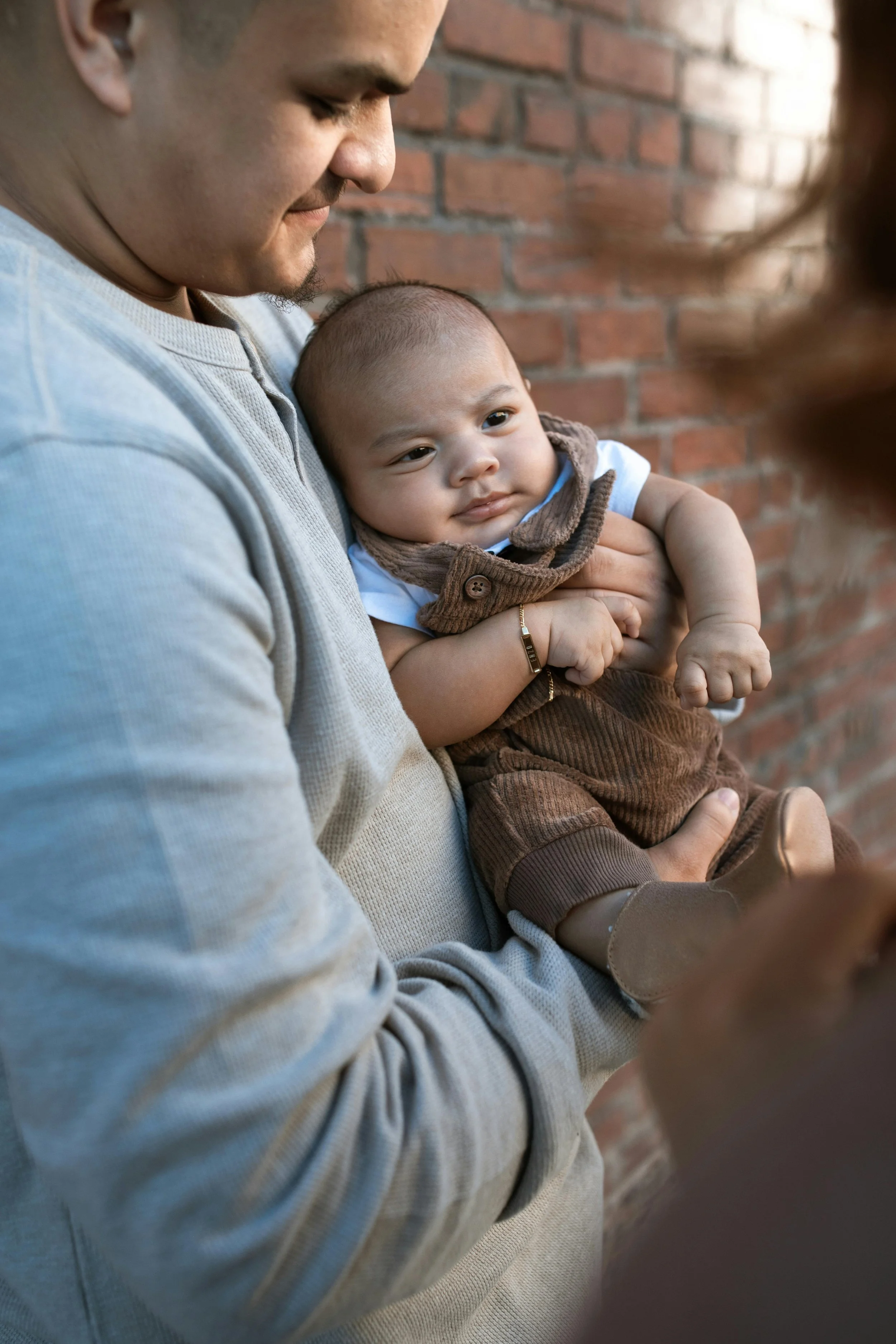
Holding your baby in slightly forward-leaning or supported positions engages their core and neck muscles naturally.
When should you worry about tummy time or development?
Every baby develops at their own pace, but you may want to seek guidance if:
Your baby consistently cannot tolerate any tummy positioning
There is very limited head movement or strength over time
You feel unsure or concerned about progress
Early support can make a big difference, and often small changes are all that’s needed.
How this supports rolling, sitting and crawling
Tummy time isn’t just about the position itself.
It builds the strength and coordination needed for:
Rolling
Sitting
Crawling
Overall motor development
By using a variety of positions (not just the floor), you’re giving your baby more opportunities to develop these skills in a way that works for them.
A gentle reminder
You are not doing it wrong if your baby doesn’t love tummy time.
There is no one “perfect” way to support development and forcing it often does more harm than good.
Want a step-by-step guide for every milestone?
If you’re feeling unsure about what to do next, or how to support your baby without second guessing everything, this is exactly why I created The Baby Playbook (available for overseas buyers here). A gentle, supportive guide full of purposeful play ideas for your little one.
Inside, you’ll find:
A clear, roadmap of development
Simple, practical ways to support each milestone
Guidance grounded in paediatric physiotherapy
Realistic expectations (without the overwhelm)
It’s designed to sit on your coffee table and be used every day, not something that gathers dust.
Final thoughts
If your baby hates tummy time, it doesn’t mean they’re behind.
It simply means they might need a different approach.
Focus on connection, consistency and variety and trust that development is happening, even in the small moments.
Disclaimer: This page is intended to be educational and informative only and should not be taken as, or replace, individual medical advice. This should act as a guide only. Always consult with a healthcare professional for accurate diagnosis and personalised treatment if you have any concerns with your little one.
Every child is unique and should be assessed individually.