
Hydrotherapy for Babies and Children: How Water Can Support Your Child's Development
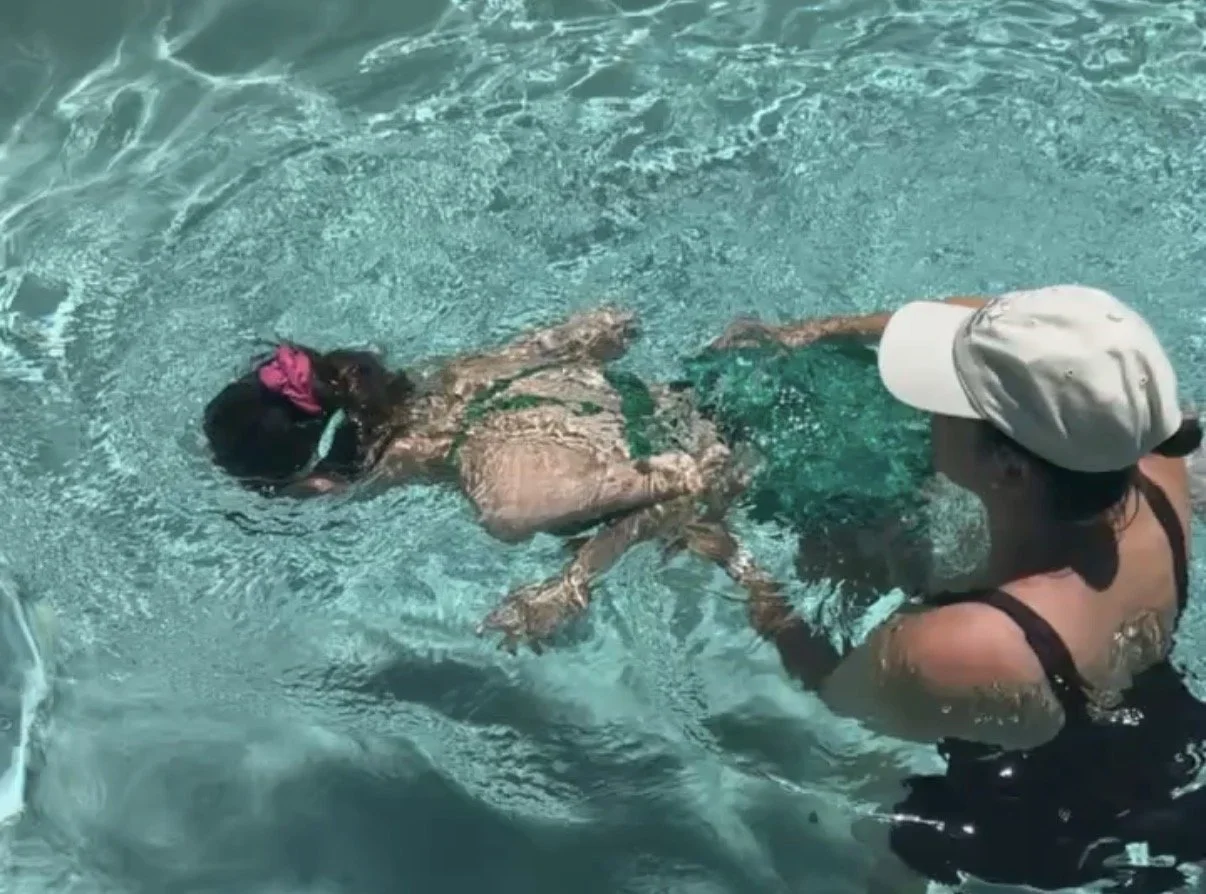
Ali the Baby and Kids Physio taking a client for a hydrotherapy physio session.
As a paediatric physiotherapist, one of the most rewarding services I offer is hydrotherapy. There is something incredibly special about seeing a child who may find movement difficult on land suddenly become more confident, more independent, and more willing to explore when they're in the water.
At Little Ones Physiotherapy, I offer paediatric hydrotherapy sessions for babies, toddlers and children across the Gold Coast and Northern NSW. Whether your child has a diagnosed condition, is experiencing developmental delays, or simply benefits from movement in a different environment, hydrotherapy can be a gentle, fun and evidence-based way to support their development.
If you've ever wondered whether hydrotherapy might help your child, what happens during a session, or how to book, this guide answers the most common questions parents ask.
What is hydrotherapy?
Hydrotherapy is physiotherapy performed in a warm swimming pool under the guidance of a qualified physiotherapist. The unique properties of water create an environment where children can move, play, strengthen and develop skills in ways that may be difficult on land.
The warmth, buoyancy and gentle resistance of the water can help children feel more comfortable, more confident and more successful in their movements.
For babies and children, hydrotherapy doesn't look like traditional exercise. Instead, sessions are designed around play, movement, goals and activities that are engaging, enjoyable and meaningful for your child and family.
Why do paediatric physiotherapists use hydrotherapy?
The water provides opportunities that simply aren't possible in a clinic room or at home.
Hydrotherapy can help children:
Move more freely due to buoyancy reducing the effects of gravity
Practise movements they find difficult on land
Build strength through gentle water resistance
Improve balance and postural control
Develop confidence with movement
Improve endurance and fitness
Explore new skills in a fun and motivating environment
Reduce fear associated with movement
Experience success and independence
For many children, the pool becomes a place where they can do things they haven't yet been able to achieve elsewhere.
Which children can benefit from hydrotherapy?
One of the biggest misconceptions about hydrotherapy is that it's only for children with significant physical disabilities.
In reality, hydrotherapy can benefit a wide range of babies and children, including those with:
Developmental delay
Children who are delayed in sitting, crawling, standing, walking or gross motor skills may benefit from the reduced gravity environment that allows them to practise movements more successfully.
Neurological conditions
Hydrotherapy can be incredibly beneficial for children with conditions such as:
Cerebral palsy
Acquired brain injury
Genetic conditions
Neuromuscular disorders
Hypotonia
Developmental coordination difficulties
Hypermobility and low muscle tone
The water provides gentle resistance while supporting joints, helping children build strength and stability without excessive joint loading.
Autism and sensory differences
Many children who experience sensory processing differences find the water calming, regulating and motivating.
Orthopaedic conditions and injuries
Hydrotherapy can support rehabilitation following injury, surgery or orthopaedic conditions where weight-bearing activities may be difficult.
Chronic pain and fatigue
The supportive nature of the water often allows children to participate in movement with less discomfort and fatigue.
Babies requiring developmental support
Some babies benefit from hydrotherapy to encourage movement exploration, strength development and confidence in a novel environment.
How does hydrotherapy help babies and children?
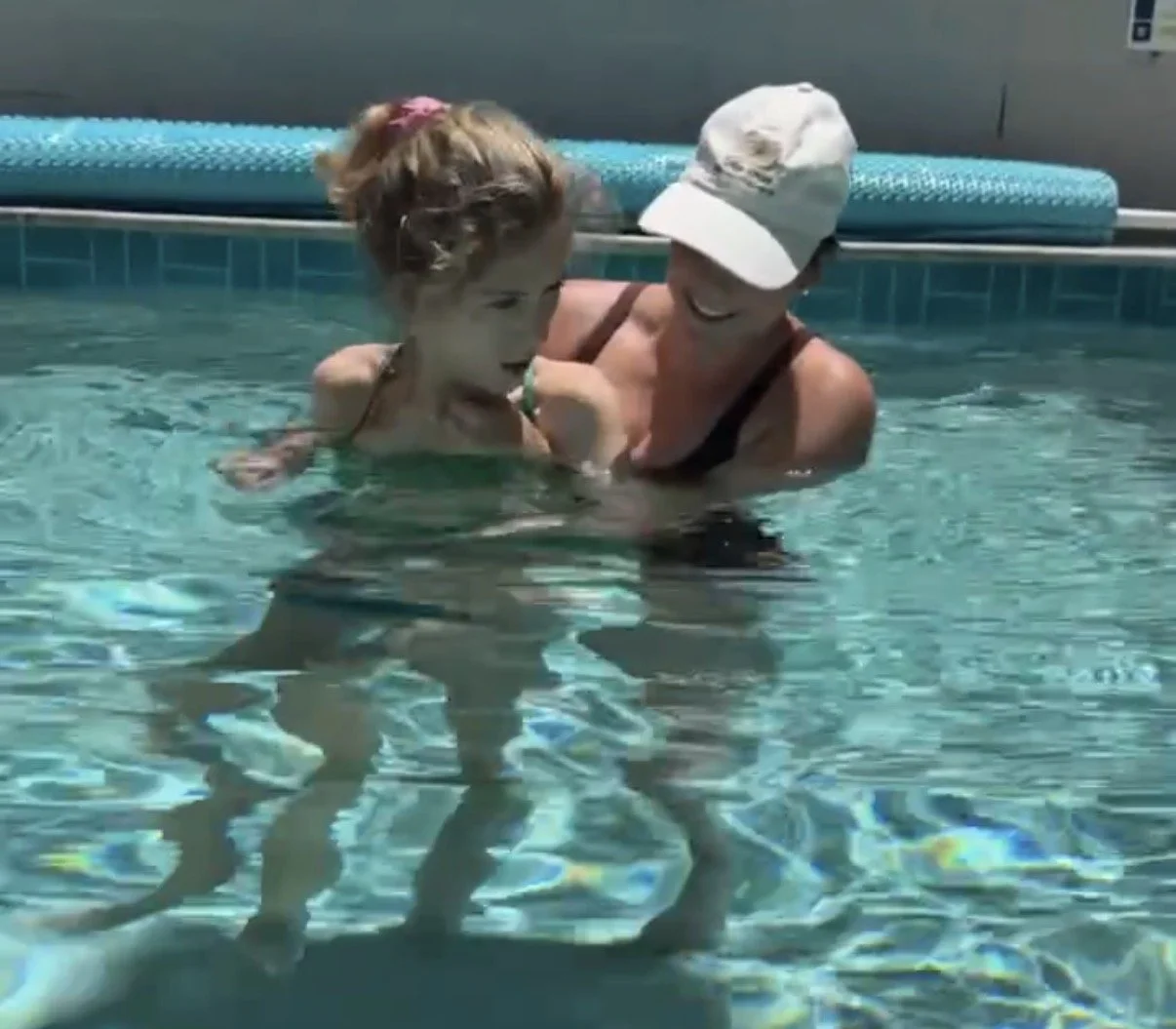
Ali the physiotherapist helping a client stand upright in a hydrotherapy session
1. Buoyancy reduces the effects of gravity
Water supports body weight, making movements easier and allowing children to practise skills they may not yet be able to achieve independently on land.
For example, a child learning to walk may be able to take supported steps in the pool before they can do so outside the water.
2. Water provides gentle strengthening
Water naturally creates resistance in every direction.
This means children can improve:
Core strength
Hip strength
Shoulder stability
Postural control
Endurance
Whole-body coordination
And the best part? They usually just think they're playing.
3. The warmth helps children relax
Warm hydrotherapy pools can help:
Reduce muscle stiffness
Improve comfort
Encourage movement
Decrease anxiety
Increase participation
Children who are hesitant or uncomfortable moving on land often become more willing to explore in the water.
4. Water challenges balance safely
The movement of the water constantly challenges a child's balance and postural control.
This helps develop:
Core activation
Protective responses
Balance reactions
Body awareness
Motor planning
Coordination
5. Hydrotherapy builds confidence
Perhaps one of the most important benefits of hydrotherapy is confidence.
Children often experience success in the water before they experience it on land. That confidence frequently transfers into everyday activities, play and participation.
What happens during a paediatric hydrotherapy session?
Every hydrotherapy session is tailored to your child, their goals and their interests.
Sessions may include:
Water play activities
Walking and balance exercises
Core strengthening activities
Floating and postural control activities
Reaching and coordination tasks
Swimming skill development
Gross motor skill practice
Functional activities related to your child's goals
For babies, sessions often involve:
Supported movement exploration
Position changes
Gentle strengthening activities
Parent education
Sensory experiences
Developmental play
Parents are usually in the pool with their child, which can make sessions feel relaxed, supportive and enjoyable.
Is hydrotherapy evidence-based?
Yes.
Research has demonstrated that paediatric aquatic therapy can improve:
Gross motor function
Strength
Balance
Endurance
Participation
Quality of life
Confidence and enjoyment of movement
The evidence is particularly strong for children with neurological and developmental conditions, but clinical experience also supports benefits across a wide range of paediatric presentations.
Most importantly, children are often highly motivated to participate in hydrotherapy, which means they spend more time actively practising movement skills.
Why do I offer hydrotherapy?
As a paediatric physiotherapist, I love hydrotherapy because it allows me to support children in a completely different way.
I've seen children take their first independent steps in the pool.
I've seen children who usually avoid movement spend an entire session laughing and exploring.
I've seen children discover confidence, independence and joy through movement.
Hydrotherapy combines everything I love about paediatric physiotherapy:
Evidence-based practice
Play-based therapy
Family involvement
Functional goals
Confidence building
Genuine enjoyment
Every child deserves the opportunity to experience movement success.
Where are hydrotherapy sessions available?
Little Ones Physiotherapy offers paediatric hydrotherapy services for families across:
Southern Gold Coast
Central Gold Coast
Northern Gold Coast
Tweed Coast
Northern New South Wales
Pool locations may vary depending on your child's needs, accessibility requirements and availability.
Can hydrotherapy be funded through NDIS?
In many cases, yes.
Hydrotherapy sessions may be funded through NDIS plans where physiotherapy supports align with your child's goals and plan funding categories.
Private clients and private health rebates may also be available depending on your level of cover.
If you're unsure whether your child is eligible, please reach out and I'd be happy to discuss your options.
How do I know if hydrotherapy is right for my child?
Hydrotherapy may be worth considering if your child:
Finds movement difficult or tiring
Avoids physical activities
Has low muscle tone
Has developmental delays
Has a neurological diagnosis
Experiences pain or fatigue
Needs support with strength or balance
Enjoys being in the water
Would benefit from a fun and motivating therapy environment
If you're not sure, that's okay too. We can discuss your child's goals and determine together whether hydrotherapy is likely to be beneficial.
How do I book a hydrotherapy assessment?
If you'd like to learn more about paediatric hydrotherapy on the Gold Coast or Northern NSW, I'd love to help.
You can:
Submit an enquiry through the Little Ones Physiotherapy website
Send a direct message via Instagram @littleonesphysio
Email to discuss your child's goals and needs
Arrange an initial assessment to determine whether hydrotherapy is appropriate
Every child is different, and every hydrotherapy program is designed to support their unique strengths, challenges and goals.
Because sometimes the best place to learn, grow and move is simply in the water.